Plasterers near you
Plaster repair, skim coats, cornice and lath-and-plaster work across the GTA — how to tell plaster from drywall, and what pre-1980 stock means.
Need a plasterer?
01/Where
Pick your city — quotes are local.
The standard
Every Tasker here clears this first
We don’t show star ratings until real customers have reviewed real jobs. What’s true today is the standard everyone met to get here — so that’s what we show.
- ID verifiedGovernment ID checked before anyone can make an offer.
- Phone verifiedA one-time code, so the number on the offer is a real one.
- InterviewedA call with our team. Every Tasker, no exceptions.
- A real photoA person — not a logo, not a stock image.
- Payment heldReleased only when you say the work is done.
Services
Kinds of plastering
The plastering jobs people book most. Open one to see what it covers and what it costs.
More on Taskly
Other things people post
Not what you came for? These are jobs Taskers pick up across the GTA — one post gets you offers on any of them.

The list on the fridge
The shelf that never went up, the door that sticks, the light that flickers — one visit instead of three.
Post this task
A garage you can park in
Sort, shelve and haul away what is left, so the car actually fits before the snow arrives.
Post this task
A week of dinners, cooked
A cook fills the fridge for the week — your list, your dietary needs, containers labelled.
Post this task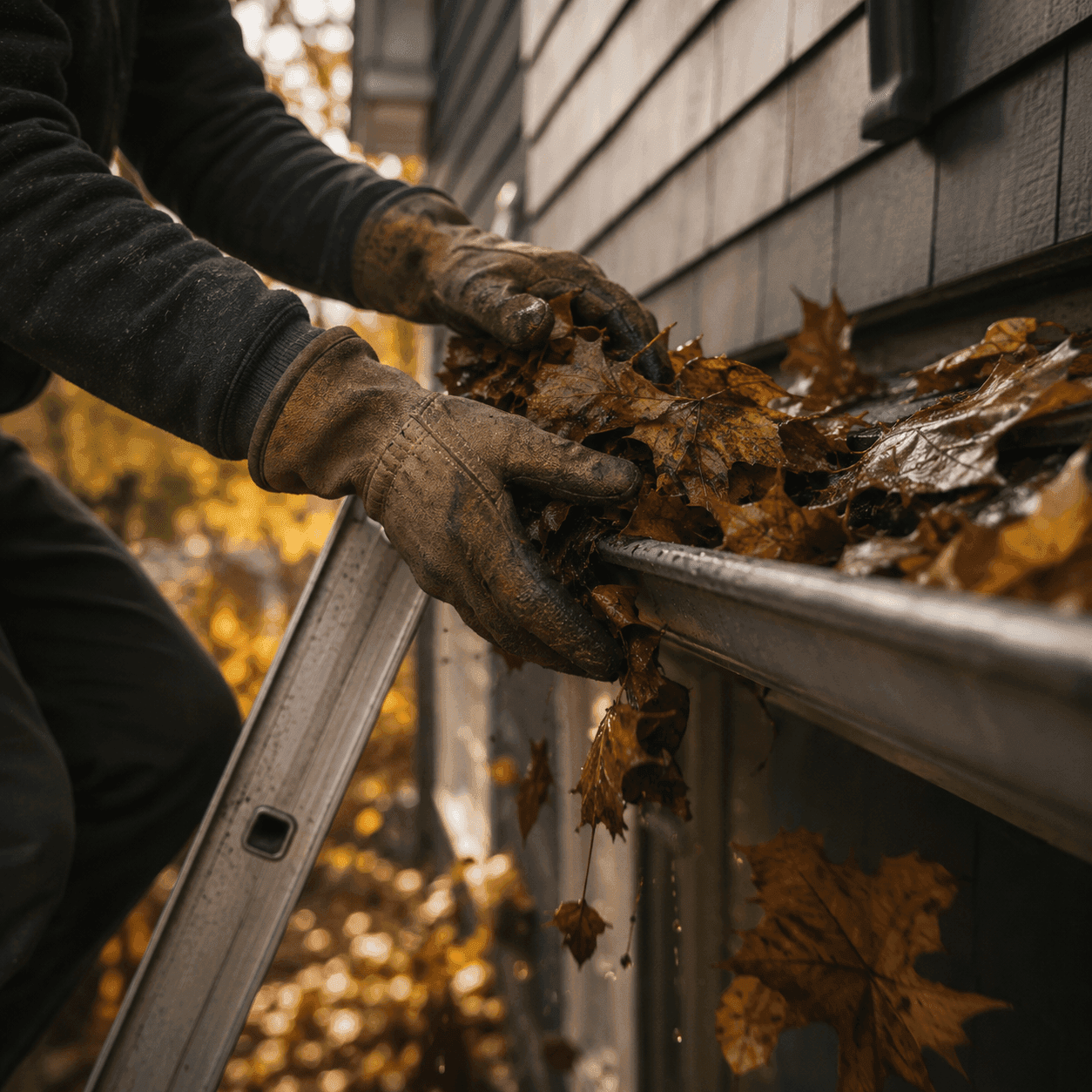
Before the first snow
Gutters cleared, hoses drained and the walk ready, so December is not the first time anyone looks.
Post this taskWhat plastering actually costs here, and why
Plaster and drywall end up looking identical on a finished wall, and telling them apart is the first useful thing this page can do, because they are repaired by different people using different methods. Drywall is a board of gypsum screwed to studs with the joints taped and filled; it arrives dry and gets cut with a knife. Plaster arrives wet and is applied in coats — onto wood lath in an older house, onto masonry, or as a thin skim over an existing surface. Tap the wall: drywall drums hollow between the studs and takes a picture hook with a push, while plaster is dense and hard and wants a drill. Age is the other tell, since the region’s pre-war and early post-war housing is lath and plaster and the newer stock is board. Board repair, and anything that starts with a sheet of drywall, is our tradesman page. Wet plaster, skim coats, cornice and mouldings, and plaster that has parted from its lath are this one.
Before anything else on an older wall or ceiling: two materials in this region’s housing stock are not a finishing question at all. Asbestos was used in some plasters and joint compounds, and very widely in the textured or stipple ceilings that went into homes here into the late 1970s. Lead was in paint on the walls, trim and ceilings of the same era. Neither is a problem sitting there undisturbed — sanding it, scraping it or breaking it out is the exact operation that releases it. In Ontario both are designated substances with prescribed procedures, testing and disposal, which makes removal licensed abatement work rather than a patch, and not something to hire as a small task. The practical rule for a pre-1980 home is simple: if the work means sanding or removing an existing textured or painted surface, the material gets tested first. Skimming over an intact stipple ceiling and scraping one off are two completely different pieces of work, and only one of them is plastering.
The characteristic failure of old plaster here has nothing to do with its surface. Plaster over wood lath is held on by keys — the material squeezed through the gaps between the laths, which hooks over the back and hardens there. A century of movement, vibration and the occasional leak breaks those keys, and the plaster then hangs on the wall with nothing holding it. From the front it can look perfect. Press it and it gives; tap it and it sounds hollow across a whole area rather than in one spot. Filling the visible crack on a wall whose keys have gone puts the same crack back inside a year, because what moved was the substrate. The correct repair refastens the plaster to the lath first — plaster washers and screws, or taking out and rebuilding the failed section — and only then makes the surface good. Ask which of those an offer assumes, because they are not the same amount of work.
Beyond repair, three things get bought under this heading. A skim coat is a thin finish coat across a whole wall or ceiling to make a battered surface flat again, and it is often the right answer for a room that has been patched twenty times and reads lumpy under modern paint. Cornice, mouldings and ceiling roses are the ornamental side, and the older neighbourhoods here are full of them: a run cornice is made by dragging a shaped profile through wet material along the wall, so restoring one means matching a profile rather than buying a length, and whether an original section survives to copy changes the task entirely. Lime plaster and polished plaster are the specialist end — lime is soft and breathable and is what a solid old wall actually wants, while polished plaster is a decorative finish built up in thin coats and burnished, priced by the wall and by how flat it starts out.
Finally, the thing nobody mentions until the day. Plaster and skim coats cure by drying, so the room’s conditions are part of the specification rather than an afterthought. A GTA winter’s heated indoor air is very dry and pulls a skim off too fast, which crazes it; an unheated basement, or a closed-up room in August, will not let it go off at all. Expect to be told to hold the heat steady and keep the windows shut for a day or two, or the exact opposite, and expect the room to be out of use for longer than the work itself took. When you post, say which room it is, whether it is heated, whether anything has ever leaked into that wall, and roughly when the house was built. That last answer decides which of the several different tasks on this page you are actually asking for.
After you post, here’s exactly what happens
- 1Offers arriveEach one carries a price and an approach, from verified Taskers only.
- 2Ask before you chooseEquipment, timing, whether they’ve worked in a building like yours.
- 3Accept oneYour payment is held by Taskly. Nothing is paid out yet.
- 4Confirm when it’s doneThe money releases and your receipt arrives by email.

Local knowledge
Priced for how the GTA actually lives
Four things that change a plastering quote here, and nowhere else.
Stipple ceilings
Scraping a textured ceiling here is not a finishing task
Textured ceilings went into GTA homes into the late 1970s and some contain asbestos, which is harmless in place and released by scraping. In Ontario that makes it a test first and licensed abatement second. Skimming over an intact one and removing it are entirely different quotes.
Lath, not studs
Old plaster fails behind the surface, where you cannot see it
Plaster over wood lath hangs on keys squeezed through the gaps. A century of movement breaks them, and the wall looks perfect while holding on to nothing. Filling the crack on a wall like that returns it within a year — the plaster has to be refastened to the lath first.
Cornice and roses
This city’s older neighbourhoods are full of run mouldings
A run cornice is made by dragging a shaped profile along the wall through wet material, so restoring one means matching a profile rather than buying a length. Whether an original section survives to copy from changes the work completely, and it is the first thing to photograph.
Two days, windows shut
The room’s air is part of the specification, not an afterthought
Skim coats cure by drying. Heated GTA winter air is dry enough to pull one off too fast and craze it, while an unheated basement or a humid August room will not let it go off at all. Expect instructions about heat and windows, and a room out of use longer than the work took.
What a plaster repair usually covers
- Sounding the wall to find where the plaster has actually let go
- Cutting back to something solid rather than filling over a void
- Refastening loose plaster to the lath where the keys have gone
- Building the repair back in coats and finishing flush
- Protecting floors and taking the debris out
Anything that means sanding or removing a textured or painted surface in a pre-1980 home gets tested before it gets touched.
Try nowWhat to settle before you accept an offer
- Is this a surface repair, or does the plaster need refastening first?
- Has anything been tested, if the house predates 1980?
- Skim the whole wall, or patch and blend?
- How long before it can be painted, and who paints it?
- What do I need to do about heat and windows while it dries?
If the wall is gypsum board and the fix is a sheet, that is drywall work and it lives on our tradesman page.
See checklistThree steps
How Taskly works
- 1
Post your task
Say what needs doing and when. Free, two minutes, no account until you accept.
- 2
Compare offers
Verified Taskers send a price and an approach. You see the whole cost up front.
- 3
Choose, then pay
Pick who fits. The money is held and released only when you confirm it’s done.
No lead fees on either side — Taskers don’t pay to make an offer, so you’re not paying for someone’s cost of finding you.
Why Taskly
What you can actually count on
Reviewed before they offer
ID check, phone verification, a real interview and a real photo.
Priced with a method
Ranges come from a versioned, dated rate table — never an invented average.
Built for the GTA
Lift access, month-end crunch and salt season are in the pricing, not surprises.
Pay only when done
The money is held by Taskly and released after you confirm the work.
Browse tasks by city
- Toronto
- Mississauga
- Hamilton
- Oakville
- Brampton
- Vaughan
- Burlington
- Markham
- Richmond Hill
- Oshawa
- Whitby
- Milton
- Pickering
- Ajax
Questions
Frequently asked
GTA-specific answers to what people actually search for.
Is my wall plaster or drywall?
Tap it. Drywall drums hollow between studs and takes a picture hook with a push; plaster is dense, hard and wants a drill. Age helps too — pre-war and early post-war GTA homes are lath and plaster, and newer stock is board. The answer decides which page you want.
Can a plasterer patch drywall as well?
For a small hole, usually. But if the wall is board throughout and the repair means cutting in a sheet, taping and feathering the joints, that is drywall work with different materials and different tools, and it lives on our tradesman page rather than here.
My ceiling is textured. Can it be scraped off?
Not until it has been tested. Textured ceilings in pre-1980 GTA homes can contain asbestos, and scraping is precisely the operation that releases it. In Ontario removal is then licensed abatement with prescribed procedures — a completely different piece of work from plastering.
Why do the same cracks keep coming back?
Usually because the plaster has parted from the lath behind it, so the substrate is what moves and the filler simply rides along. Tap around the crack: if it sounds hollow over a broad area, the repair has to refasten the plaster first and finish the surface second.
What is a skim coat, and do I need one?
A thin finish coat over a whole wall or ceiling to make it flat again. It is the right answer when a room has been patched so many times that it reads lumpy in daylight, and painting alone will make that more obvious rather than less.
How long before I can paint new plaster?
Longer than most people plan for, and it depends on the room. New plaster has to dry all the way through, not just to the touch, and painting it early traps moisture and shows later. Ask for a number in days for your specific room, heat and season.
Free to post
Ready to get it done?
Describe the job and compare fixed-price offers from verified Taskers across the GTA. You only pay when it’s finished.