

Graphic and digital design near you
Logos, branding, print, illustration, motion and UI design across the GTA. What to brief, who owns the artwork afterwards, and which kind of design this is not.
Need something designed?
01/Where
Pick your city — quotes are local.
The standard
Every Tasker here clears this first
We don’t show star ratings until real customers have reviewed real jobs. What’s true today is the standard everyone met to get here — so that’s what we show.
- ID verifiedGovernment ID checked before anyone can make an offer.
- Phone verifiedA one-time code, so the number on the offer is a real one.
- InterviewedA call with our team. Every Tasker, no exceptions.
- A real photoA person — not a logo, not a stock image.
- Payment heldReleased only when you say the work is done.
Services
Kinds of graphic and digital design
The graphic and digital design jobs people book most. Open one to see what it covers and what it costs.
Only on Taskly
One post, the whole situation handled
Several jobs bought as one outcome — one Tasker, one price to agree, no coordinating three trades yourself.
Opening a shop
The mark, the sign artwork, the menu or price list and the window graphics, designed together so they match once they are all on the street.
Post this taskSomething new to point people at
A logo, a one-page site and the matching social set, so a new thing has a face and somewhere to send people on the same week.
Post this taskMore on Taskly
Other things people post
Not what you came for? These are jobs Taskers pick up across the GTA — one post gets you offers on any of them.
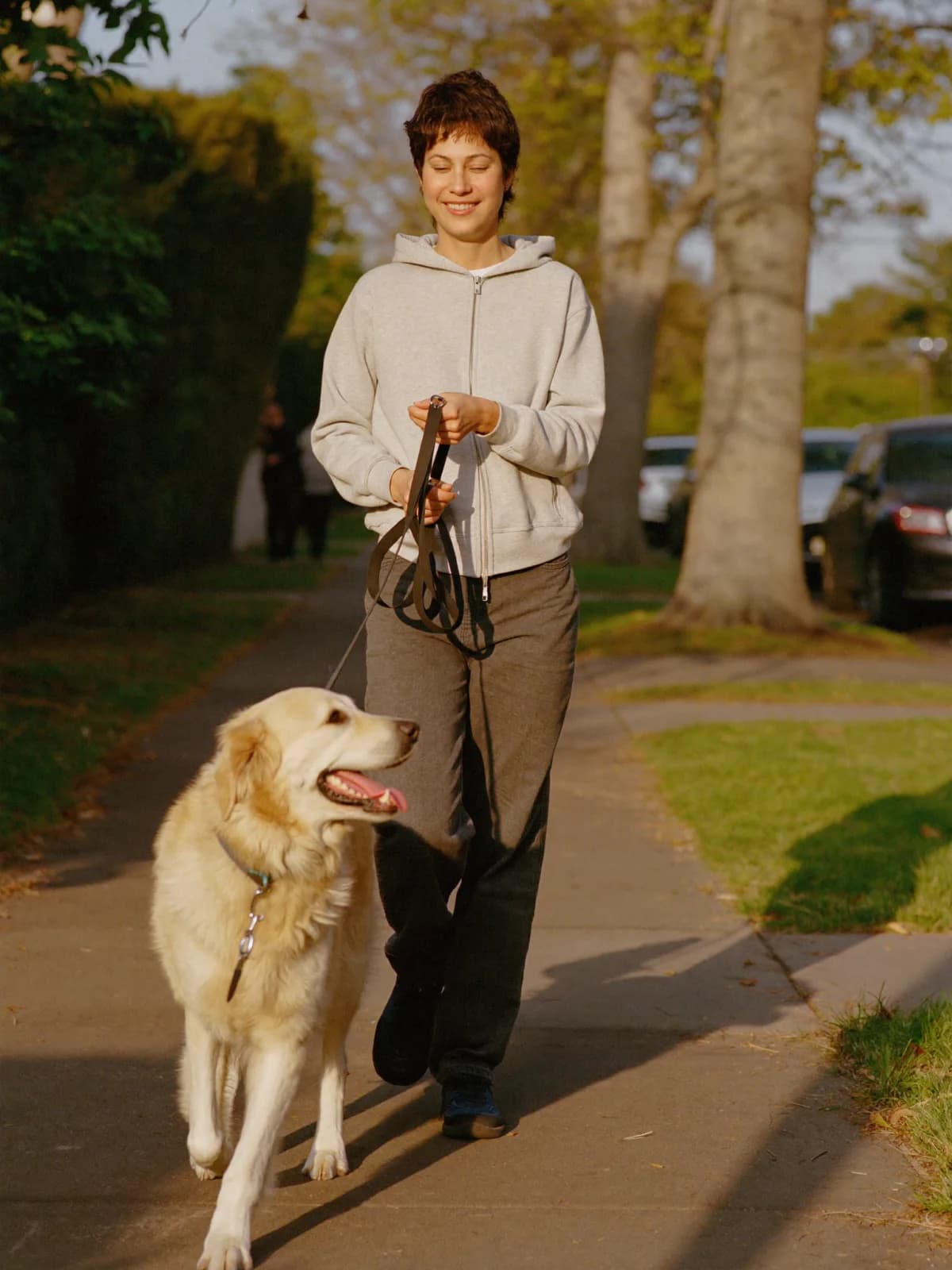
Walked while you work
A midday walk on the days the office runs long, with a note on how it went.
Post this task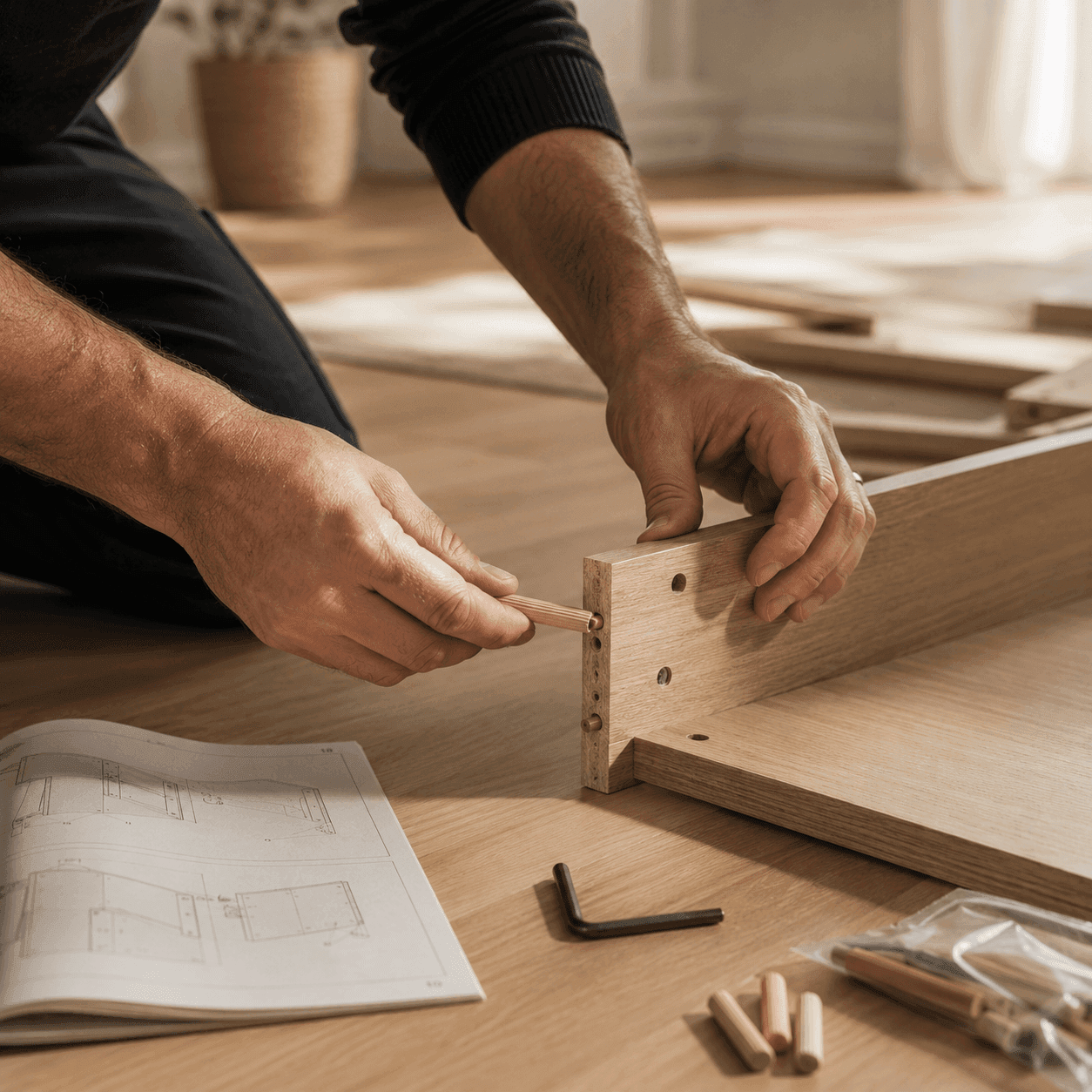
Flat-pack, standing up
The wardrobe, the desk and the bed frame built and levelled, with the cardboard taken away.
Post this task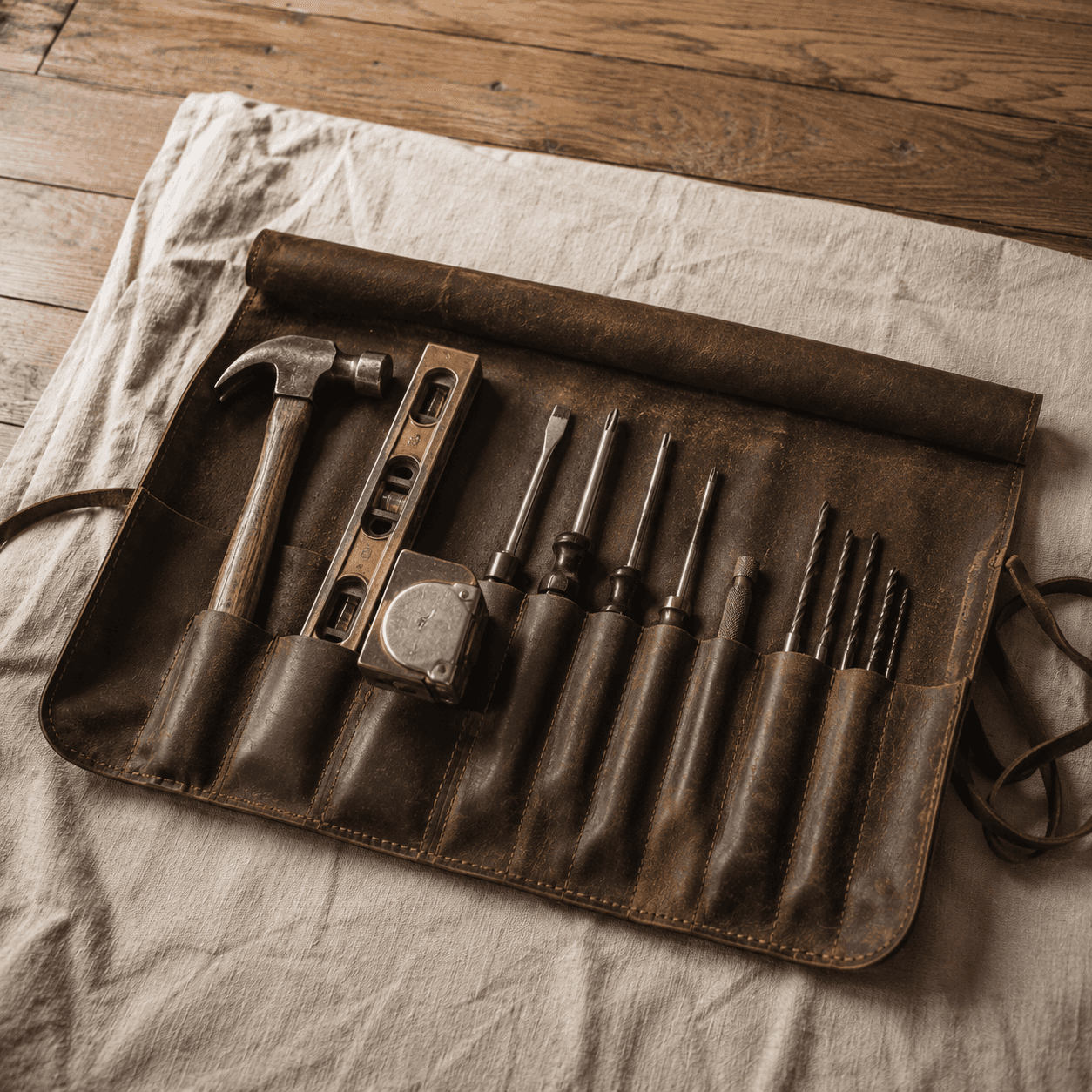
The list on the fridge
The shelf that never went up, the door that sticks, the light that flickers — one visit instead of three.
Post this task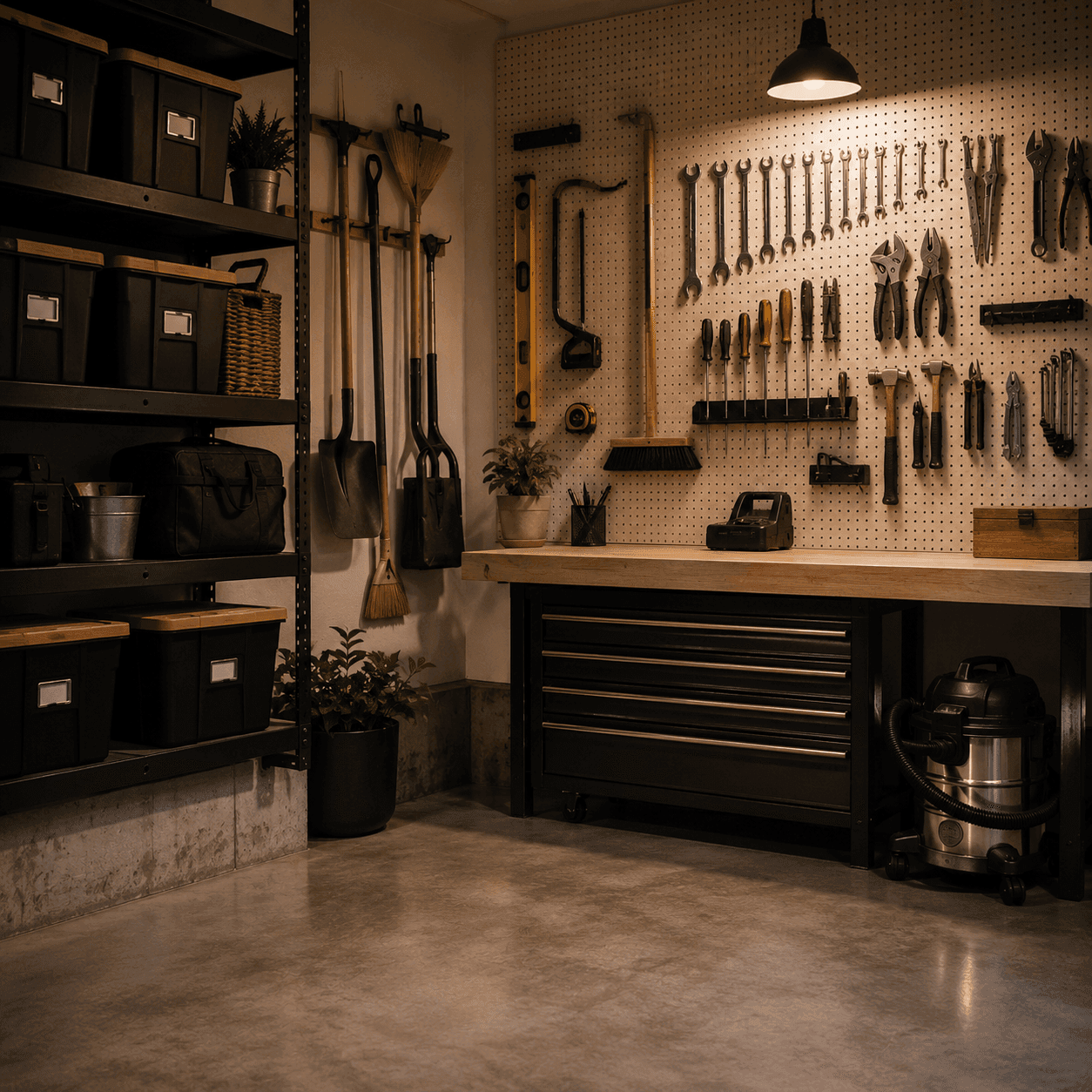
A garage you can park in
Sort, shelve and haul away what is left, so the car actually fits before the snow arrives.
Post this taskWhat graphic and digital design actually costs here, and why
Design is the widest word on this site, and narrowing it is the first useful thing to do. This page is visual and digital design: logos and brand identity, print and packaging, illustration, motion and animation, lettering and type, and the interface work behind an app or a website. It is not interior design, which is a separate category with a page of its own covering consultations, kitchens, staging and space planning. It is not landscape or garden design either. A great many people search the bare word and mean one of those instead, and saying which one you want is most of the distance to a useful offer.
The line that matters most here sits under 3D. A rendering, a SketchUp model or a measured 3D model of a building is real design work and it is not a construction drawing. In Ontario, "architect" is a title protected in law: only a licensed member of the Ontario Association of Architects may use the word, and a permit set has to come from somebody the Building Code says is qualified to prepare it — a designer registered with a BCIN for most house-scale work, or a licensed architect or professional engineer, whose seal the Code requires above the size and use thresholds it sets. Nothing structural, load-bearing or permit-bound is settled by a picture, however convincing it looks. A designer who renders your extension is showing you the idea; the person who signs the permit set is the one who makes it buildable, and they are usually not the same person.
Signage splits along the same seam, into a part that is open and a part that is not. Drawing a sign is design work: the lettering, the layout, the colour, and whether it still reads from across the street. Getting it onto a building is a permit matter. Toronto runs its own sign by-law with rules that change by district, Mississauga, Vaughan and Markham each run their own, an illuminated sign brings electrical work and an inspection with it, and a shopfront inside a heritage conservation district or a business improvement area is designed to published guidelines before anyone applies for anything. Find out which of those apply to your address early, because they change the artwork rather than merely delaying it.
Who owns the artwork afterwards is the question people skip and then regret. Under Canadian copyright law the person who creates a work is normally its first owner, even when you commissioned it and paid for it, and ownership moves to you through a written assignment rather than through an invoice. So put it in the agreement: full rights, and the working files, not only a flattened export. Registering a name or a mark as a trademark is a separate matter again, done through the Canadian Intellectual Property Office, where only a registered trademark agent may act on your behalf. A logo designer is not that, and a good one will tell you so unprompted.
What produces a sharp offer here is material rather than adjectives. Send what already exists, an old logo, photographs, a colour you have to match, the file formats you need at the end, and then say where the finished thing has to work: a phone screen, a shop window, an embroidered shirt, a printed carton. That last point decides more than taste does. Print has to be built to a press specification from the start rather than fixed afterwards, and anything sold as a packaged consumer product in Canada carries bilingual labelling requirements that shape the layout instead of sitting on top of it. The GTA adds a second version of the same problem, because a large share of print here runs in more than one language and more than one script, and line lengths, fonts carrying the right glyphs and reading direction all have to be designed in.
After you post, here’s exactly what happens
- 1Offers arriveEach one carries a price and an approach, from verified Taskers only.
- 2Ask before you chooseEquipment, timing, whether they’ve worked in a building like yours.
- 3Accept oneYour payment is held by Taskly. Nothing is paid out yet.
- 4Confirm when it’s doneThe money releases and your receipt arrives by email.

Local knowledge
Priced for how the GTA actually lives
Four things that change a graphic and digital design quote here, and nowhere else.
Sign by-laws
A shopfront sign is designed to your municipality rules, not to taste
Toronto runs its own sign by-law with rules that change by district, and Mississauga, Vaughan, Brampton and Markham each run their own. Size, placement and whether it may be lit are decided before the artwork is. Checking the address first is the difference between one drawing and three.
Heritage and BIAs
On some GTA streets the artwork is reviewed before the permit is
Heritage conservation districts and business improvement areas across this region publish facade and signage guidelines, and several run improvement programs with design conditions attached. Design to the guideline and it goes through. Design to a mood board and it comes back.
Pre-construction
The GTA has a visualisation market that most cities do not have
A region selling homes years before they exist generates a steady stream of renderings, floor-plate sheets and brochure work. It is a defined kind of design rather than a renovation drawing, and the honest half is worth repeating: a marketing image is not a permit drawing and nobody builds from one.
Two languages, more scripts
GTA print is bilingual by law and multilingual by market
A packaged consumer product sold in Canada carries bilingual labelling, which changes the layout rather than sitting on top of it. On top of that, a large share of print here runs in Chinese, Punjabi, Tamil, Urdu or Farsi, so glyph coverage, line length and reading direction are design decisions, and a native proofread happens before the press does.
What moves the price
- How much already exists — a rebuild costs less than a blank page
- How many pieces, and how many sizes each has to work at
- Whether it is one language or several, and in how many scripts
- Print, fabric and signage each add a production specification
- How many rounds of revision, and how tight the deadline is
Settle these before work starts
- Who owns the artwork afterwards, and whether that is written down
- Which working files you receive, and in which formats
- How many rounds of revision are included before extras begin
- Where the finished piece has to work: screen, press, fabric or a shopfront
- Whether anything here needs a permit, a seal, or a press specification
A rendering is not a permit drawing, and a logo designer is not a trademark agent. Both lines are worth naming out loud rather than assuming.
See checklistThree steps
How Taskly works
- 1
Post your task
Say what needs doing and when. Free, two minutes, no account until you accept.
- 2
Compare offers
Verified Taskers send a price and an approach. You see the whole cost up front.
- 3
Choose, then pay
Pick who fits. The money is held and released only when you confirm it’s done.
No lead fees on either side — Taskers don’t pay to make an offer, so you’re not paying for someone’s cost of finding you.
Why Taskly
What you can actually count on
Reviewed before they offer
ID check, phone verification, a real interview and a real photo.
Priced with a method
Ranges come from a versioned, dated rate table — never an invented average.
Built for the GTA
Lift access, month-end crunch and salt season are in the pricing, not surprises.
Pay only when done
The money is held by Taskly and released after you confirm the work.
Browse tasks by city
- Toronto
- Mississauga
- Hamilton
- Oakville
- Brampton
- Vaughan
- Burlington
- Markham
- Richmond Hill
- Oshawa
- Whitby
- Milton
- Pickering
- Ajax
Helpful guides
Every kind of graphic and digital design
Questions
Frequently asked
GTA-specific answers to what people actually search for.
Is this interior design?
No. This page is graphic and digital design: logos, print, illustration, motion, type and interface work. Interior design is a separate category with its own page, covering consultations, kitchen and bathroom design, staging, lighting and space planning. Landscape design is separate again.
Can a designer produce the drawings for my building permit?
The drawings that go to a municipality with a permit application have to be sealed by somebody qualified to seal them, which means a licensed architect or a professional engineer. Renderings, models and SketchUp work do not need that seal and are genuinely useful before it. Ask your municipality what your project requires.
Who owns the logo after I have paid for it?
Not automatically you. Under Canadian copyright law the creator is normally the first owner even of commissioned work, and ownership passes by written assignment rather than by invoice. Say in the post that you want full rights and the working files, and have it written into the agreement before anything is drawn.
Do I need a permit for a shop sign?
Usually, and it is a municipal matter rather than a design one. Toronto has its own sign by-law with rules that change by district, and neighbouring municipalities each have their own. An illuminated sign adds electrical work and an inspection. Check your address before commissioning the artwork, not after.
What is the difference between UI and UX design?
UX is what the screens do and in what order, worked out before anything is styled. UI is what they then look like: states, components and the pieces a developer builds from. Buying the second without the first is the usual reason a pretty app is hard to use.
What should I send with a design brief?
Whatever already exists, an old logo, photographs, a colour you must match, plus references to things you like and one sentence on what the piece has to achieve. Then say where it ends up: a phone screen, a press, a shirt or a shopfront. That last one changes how it is built.
Can a designer register my trademark?
No. Registration goes through the Canadian Intellectual Property Office, and only a registered trademark agent may act for you there. A designer makes the mark; whether you can protect it is a separate question worth asking early, because it can change the name before the artwork is finished.
Free to post
Ready to get it done?
Describe the job and compare fixed-price offers from verified Taskers across the GTA. You only pay when it’s finished.